Home
|

Consult about
Horoscope
Wallpapers
Ringtones
Services
Company
Help
Payments


Refund if not satisfied

Support Available

Privacy Confidentiality
© 2024 GuruCool.life. All rights reserved
| Festivals
2023-10-20
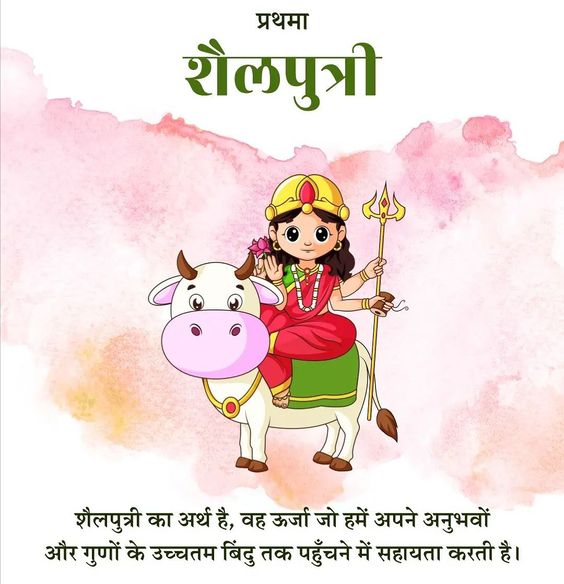
Navratri, one of the most important Hindu festivals, is a nine-night celebration dedicated to Goddess Durga and her different manifestations. Each day of Navratri is associated with the devotion of a new expression of the goddess, known as the Navadurga. On the first day of this auspicious festival, devotees praise Maa Shailputri, the epitome of holy purity and strength. This day marks the start of the Navratri celebrations, during which devotees perform elaborate rituals, prayers, and offerings to seek her blessings. Shailputri, which means 'Daughter of the Mountains,' is worshipped as the primal spirit, representing the essence of Mother Nature.
Her adoration represents the awakening of spiritual consciousness and the beginning of a spiritual journey. In this post, we will look at the significance of Navratri Day 1 and the puja vidhi (rituals), mantras, and offerings related to Maa Shailputri. Let us unravel the holy traditions that surround this first day of Navratri and discover the profound spiritual connotations hidden in its observance.
Maa Shailputri is the earliest manifestation of Goddess Durga and is considered the Himalayan daughter. Her name is made up of two words: "Shail," which means "mountain," and "Putri," which means "daughter." She embodies both purity and force. The goddess is pictured riding a bull while holding a trident in one hand and a lotus blossom in the other.
Maa Shailputri signifies the source of all creation and nature's pure and primeval power. Her adoration is thought to offer spiritual awareness and inner power to believers. The bull she mounts denotes Dharma, and her divine presence is associated with the Moon, the provider of prosperity.
The Date and Tithi of Navratri Day 1
The most prominent Navratri is Sharad Navratri, which happens throughout the autumn season. Because Navratri follows the lunar calendar, the date varies from year to year. The first day of Sharad Navratri in 2023 is October 15th.
The first day of Sharad Navratri is known as "Pratipada Tithi," and it marks the beginning of the celebration. To ensure that the puja is performed at the most auspicious moment, devotees frequently check the Shubh Muhurat for Ghatasthapana, which is the Kalash (holy pot) placement. This site is vital and signals the start of the Navratri celebrations. Ghatasthapana's time fluctuates from year to year, and executing it at the correct muhurat is critical for efficiently invoking Maa Shailputri's blessings.
Colors are essential in Navratri celebrations. Each day is connected with a different color, which devotees wear and utilize in their decorations. The auspicious hue on the first day of Navratri, devoted to Maa Shailputri, is "yellow." Yellow denotes cheerfulness and brightness, and it reflects the goddess's pure and beautiful essence. Devotees frequently wear yellow clothing and decorate their homes and puja altars with yellow flowers and other decorations.
Wearing the assigned Navratri color for each day of Navratri is supposed to connect worshippers with the energy of the unique form of the goddess being worshipped. It improves the spiritual connection and welcomes the goddess's blessings into one's life. Wearing yellow on Navratri Day 1 adds to the festive atmosphere and demonstrates your devotion to Maa Shailputri.
Maa Shailputri puja on Navratri Day 1 is a solemn and intricate rite. Here is a step-by-step method for performing the puja:
Ghatasthapana: Begin the day by filling a sacred pot, or Kalash, with water and placing it on the puja altar. Coconut and mango leaves should be used to garnish the kalash. This act denotes the goddess's presence in the home, while the pot represents the source of life.
Prayers and Mantras: Begin the puja by lighting a lamp and presenting flowers and incense sticks. Chant the following mantra to Maa Shailputri:
"ॐ देवी शैलपुत्र्यै नमः॥" Reciting this mantra with devotion connects you with the divine energy of the goddess.
Offerings: As a token of your devotion, present the goddess with fresh flowers, fruits, and sweets. It is critical to make these offerings with a pure heart.
Aarti: To conclude the puja, wave a lit lamp in front of the deity while reciting chants. Aarti is a way to show your respect and request Maa Shailputri's blessings.
Fasting: As a symbol of respect and dedication, many devotees fast on Navratri Day 1. They avoid grains and certain foods, instead choosing a diet rich in fruits, milk, and other fasting-friendly foods.
Take some time to meditate and connect with the goddess more deeply. Consider your desires and seek her direction in your life.
Charity: As an act of kindness, consider making donations to the less fortunate on this auspicious day. It's a way of sharing the blessings you receive from Maa Shailputri's puja.
Also Read: Navratri Day 3 Maa Chandraghanta, Date, Tithi, and Color
Finally, Navratri Day 1 occupies a unique place in the hearts of millions of followers because it marks the beginning of the nine-day celebration dedicated to Goddess Durga. On this day, Maa Shailputri puja, the holy mother's earliest form, is celebrated, symbolizing purity, strength, and the beginning of a spiritual journey. The brilliant orange color connected with this day depicts the passion and excitement believers embrace in this fortunate event. The ceremonies, chants, and sacrifices have significant spiritual meaning, promoting devotion and connection with the goddess.
Devotees gather to worship Maa Shailputri with jasmine flowers and perform the Shodashopachara puja, invoking her blessings for prosperity and well-being. The voyage through Navratri is a spiritual odyssey, a time of meditation, and a time of faith reaffirmation. With each day dedicated to a distinct form of the goddess, Navratri creates a tapestry of devotion, culture, and tradition, uniting people in their veneration of the divine feminine force. It is a time of pleasure, festivity, and spiritual awakening, symbolizing the triumph of good over evil. As we begin Navratri Day 1, we go on a spiritual journey, seeking the blessings of Maa Shailputri, the personification of purity and power, to guide us through these sacred nine nights.
Get Insights from Our Expert Astrologer
Get Insights from Our Expert Astrologer
Celebrate Ganesh Chaturthi 2026 with devotion. Learn about Ganpati puja, celebrations, Ganesh Visarjan, and enjoy popular Ganesh devotional ringtones.
Shiva Rudra Mantra
316 Downloads
Jai Ambe Gauri
356 Downloads
Khatu Wala Shyam
341 Downloads
Gayatri Mantra Of Hanuman
354 Downloads

Jai Bhole Jai Bhole Ringtone | Mahadev Devotional Ringtone
391 Downloads
Barsane Wali Radha
381 Downloads
Shiva Nirguna Stotra
325 Downloads
Hanuman Lalla Ki Aarti
355 Downloads
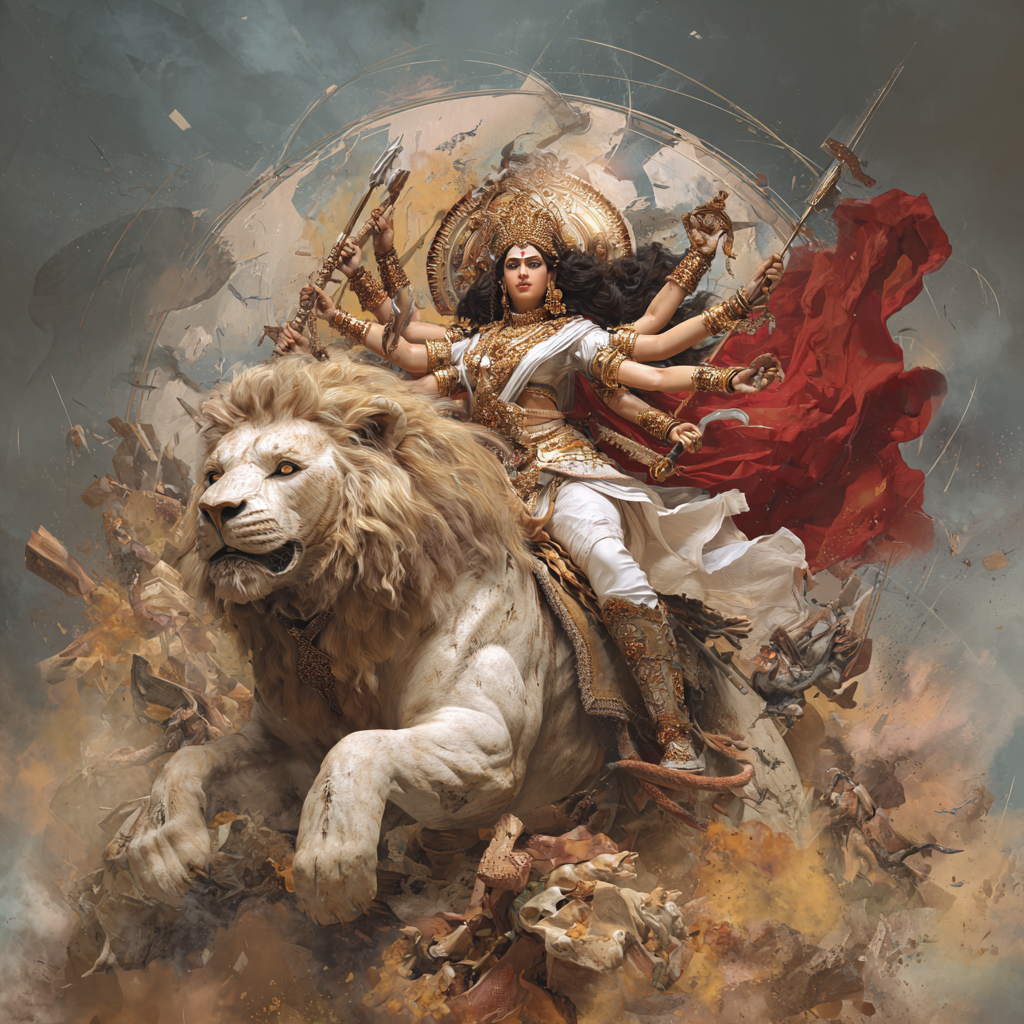
Maa Durga Devotional Ringtone
358 Downloads
Kui Bhekawe
360 Downloads
Hanuman Chalisa
334 Downloads
Har Har Mahadev Ringtone | Powerful Shiv Devotional Ringtone 🔱
372 Downloads
Narayanaya Namo Namah
384 Downloads
Haare Ka Sahara
334 Downloads
Shiva Kirtan Ringtone | Powerful Shiv Devotional Ringtone
336 Downloads